
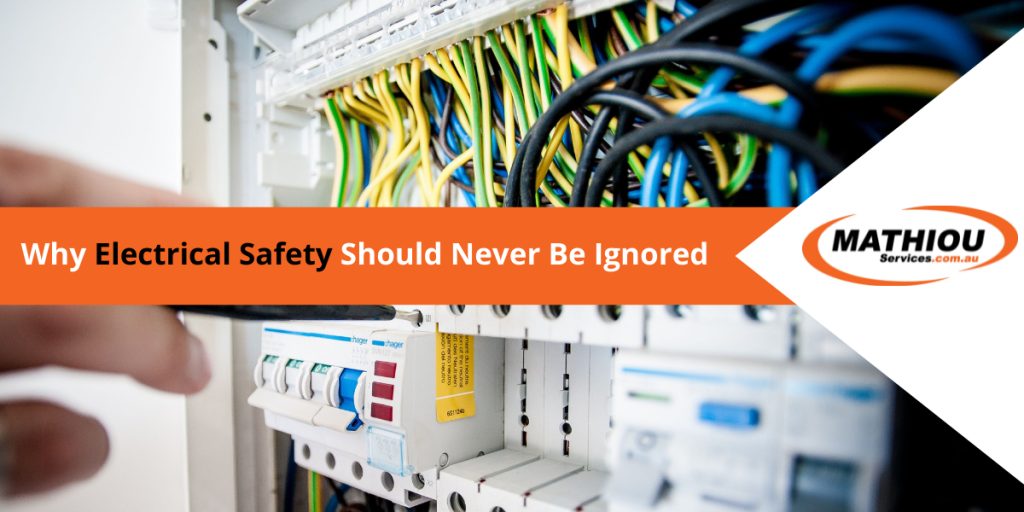
Most electrical hazards do not announce themselves. There’s rarely a dramatic spark, loud bang or sudden power outage warning you that something is wrong.
More often, the signs are subtle. Well, it could be just a circuit breaker that keeps tripping, a warm power point, flickering lights that’s not too bothersome or equipment that is not performing the way it used to.
It’s so easy to dismiss these issues, especially when everything still seems to be working. Left unchecked, though, they can lead to expensive repairs, serious injuries— or even worse? Some disruptions to your business operations.
That is generally why electrical safety deserves attention long before something fails. Preventative maintenance almost always costs less than recovering from an incident, particularly in commercial environments where downtime affects staff, customers and day-to-day operations.
Electrical Risks Often Build Over Time
Electrical faults rarely develop overnight.
Connections loosen through vibration, cables deteriorate with age, switchboards become overloaded as equipment is added, and moisture gradually damages components exposed to the elements. None of this happens all at once, which is exactly why developing faults are often overlooked.
When these issues are not addressed, the risk of the following increases:
- Electrical fires
- Electric shock
- Equipment failure
- Unexpected power outages
- Costly business interruptions
Business Queensland’s electrical safety in the workplace guidance also states that businesses have a duty to keep electrical equipment in a safe condition through regular inspection, maintenance and testing.
So taking a proactive approach helps reduce electrical risks before they lead to equipment failure, injuries or costly disruptions.
Commercial Properties Face Greater Demands
Commercial buildings place far greater demands on electrical systems than the average home.
Lighting, air conditioning, commercial kitchens, specialised equipment, security systems and IT infrastructure often operate at the same time throughout the day. As businesses expand or facilities are renovated, the electrical system that once handled demand comfortably may no longer be enough.
The problem is that overloaded systems aren’t always obvious. In many cases, the first sign is a fault that interrupts normal operations.
Schools, aged care facilities, offices, retail spaces and industrial sites all depend on reliable power, making regular electrical assessments an important part of ongoing building maintenance.
Early Warning Signs Shouldn’t Be Ignored
Many electrical problems give some warning before they become dangerous.
Common signs include:
- Circuit breakers tripping regularly
- Flickering or dimming lights
- Burning smells near switches or power points
- Warm electrical outlets
- Buzzing sounds from switchboards
- Damaged cords or exposed wiring
None of these should be considered normal. Investigating them early is usually simpler, and is actually far less expensive than dealing with a major electrical fault later.
Electrical Safety Is Part of Building Maintenance
Electrical work rarely exists in isolation.
Renovations, new equipment, interior refurbishments and ongoing building maintenance can all affect existing electrical infrastructure. Adding workstations, commercial kitchens or upgraded lighting also increases electrical demand, so it’s worth assessing the system while the broader project is being planned rather than after it’s complete.
When delivering commercial building and maintenance services, we consider electrical requirements alongside the overall functionality of the facility. Looking at the project as a whole helps reduce disruption and avoids unnecessary rework later.
Renovations Create the Right Opportunity
If building work is already underway, it’s usually the right time to review electrical safety as well.
Walls are open, ceilings may be exposed and multiple trades are already on site, making upgrades far easier than returning once everything has been finished.
Projects involving commercial fit-outs often include new lighting layouts, additional power outlets, data cabling and upgraded services. Planning these together avoids duplicated work and makes future modifications less likely.
A renovation should improve more than appearance. It should also leave the building safer and better equipped for the way it is used.
Accessibility Should Include Safe Electrical Design
Accessibility isn’t only about ramps, doorways or wider walkways.
Power points, lighting controls, emergency systems and appliance locations all influence how safely someone can use a space, particularly people living with mobility challenges or disability.
For homes requiring NDIS home modifications, electrical planning often forms part of creating an environment that supports everyday independence while meeting practical accessibility needs.
Regular Maintenance Protects More Than Equipment
Many businesses only call an electrician once something stops working.
Routine maintenance changes that approach.
Regular inspections make it easier to identify worn components, overloaded circuits and developing faults before they interrupt operations. They can also extend the lifespan of electrical assets while helping avoid unexpected repair costs.
For organisations responsible for multiple buildings or large facilities, preventative maintenance is simply part of managing long-term operational risk.
Different Facilities Have Different Requirements
Every facility uses electricity differently.
An aged care facility has different priorities from a childcare centre. Office buildings, education campuses and commercial developments all place unique demands on their electrical systems, which means maintenance requirements vary as well.
That’s why our services are tailored to the way each facility operates instead of applying the same approach across every site. To understand how people use a building actually determines which electrical risks deserve the greatest attention.
Building Safer Facilities
Safe electrical systems do more than satisfy compliance requirements.
They protect the people using the building every day while reducing unnecessary operational risk.
At Mathiou Services, we support commercial property owners and facility managers with building maintenance, upgrades and construction projects that prioritise long-term safety alongside quality workmanship.
If you’re planning maintenance, renovations or improvements across your facility, then contact our team to discuss practical and of course, reliable solutions.