
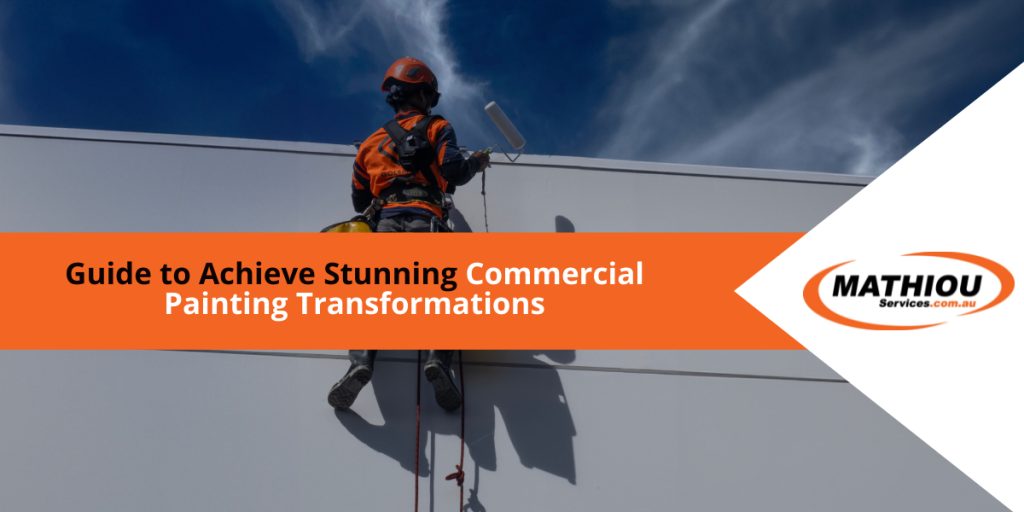
Face it – the tired building is eating into your profits. An old and dirty facade does nothing but make your potential clients feel hesitant, and your staff and tenants will feel uncomfortable too. However, getting your building repainted properly is much more than improving its appearance. Correct coatings ensure protection of your building’s exterior structure and provide your building with an aura of cleanliness. Moreover, hiring the right commercial painters right away will make sure that this process takes place without interrupting your daily business activities at all.
Why Commercial Painting Matters for Your Property
Think about paint as something like armor. On a daily basis, your building endures all sorts of things from the sun to rainfall to fluctuating temperatures to a steady flow of foot traffic. Unprotected surfaces will not stand up to such abuse. The right coating acts as a barrier for moisture and structural materials, while simultaneously giving the place a nice, professional look.
Your tenants notice it. Your employees feel it. Your customers judge from the first moment of entering your premises. For many owners, keeping up with such wear and tear is very important, to the point that they actually include it in their overall facility management plan under a property maintenance company.
Start With a Clear Goal
Do not even consider a single color sample until you are clear about what you have to achieve. Are you attracting more customers to your store? Improving lighting in the dark warehouse to increase the safety of your employees? Preparing the place for a new tenant who wants to see his brand in the interiors?
This very goal will guide all your future decisions, from the choice of products to the deadlines and priorities. Check the facility, determine its weakest points and make “before” pictures for yourself. You will need them later.
Match the Paint to the Space
Commercial spaces love to gobble up cheap paint for breakfast. You’ll require industrial strength paints that have been selected according to the unique requirements of the different sections, since what does the job in a rainy environment in the form of masonry exterior can easily fall apart in the case of a busy interior hallway.
In the case of interiors, the recommended option is eggshell or satin acrylic latex which is washable and scuff resistant as well as easy on any surface. The exterior side requires good barriers against the elements. Elastomeric coatings move along with the building as it heats and cools, thus preventing moisture infiltration of your masonry. In terms of door and window trim, you should use semi-gloss enamel.
Use Colour to Shape the Space
Colour does more than decorate — it changes how a room feels and how people behave in it. Light, reflective shades can make a cramped, dark office feel genuinely open. Neutral walls keep the environment calm and distraction-free, while deliberate accent colours reinforce your brand without overwhelming the space. Cool blues support focus in analytical work environments. Earthy greens have a calming effect in waiting rooms and reception areas.
One thing people consistently underestimate: test your samples on the actual wall before you commit. Paint a patch and look at it under natural daylight, then under your building’s artificial lighting. The shift can be dramatic, and getting it wrong across an entire floor is an expensive correction.
Surface Preparation Is Where the Job Is Won or Lost
Looking to blow a lot of money on the wrong things? Avoid doing any preparation first. Your paint will come right off due to dirt, grease, and peeling layers and will not stick properly – nothing fancy will help you here.
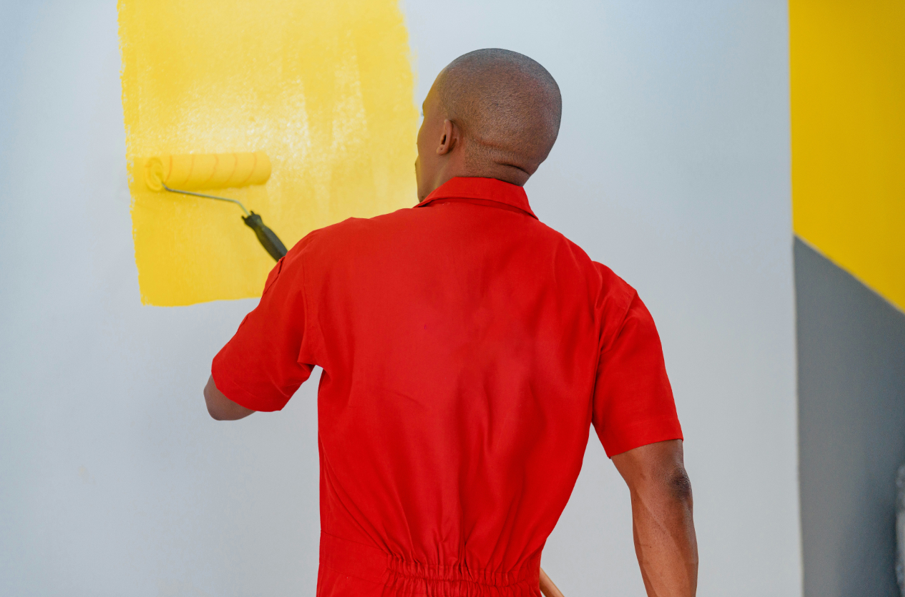
A good team will have much time dedicated to getting the surfaces ready for painting. This includes thorough cleaning, filling any holes or gouges, sanding edges for a seamless look, and applying the right primer. Masks will be applied to protect floors and fixtures. It’s not pretty stuff, but it’s what will ensure you can last a decade without repainting.
Give the Exterior Proper Attention
Your company’s first impression is formed at the car park. This implies that the exterior should receive proper consideration and should not be a secondary task.
Professional commercial exterior painters can identify and evaluate accumulated weather-related damages and problems not visible at first sight and will be able to cope with the challenge of access when dealing with multi-storey or bigger structures. Painting the exterior of the commercial building is not a standardized process, the crew should select the appropriate protective coating for a particular surface – breathable masonry paint for concrete or UV resistant acrylic for timber and metal.
Schedule Around Your Operations
It’s impossible to shut down operations for a whole week. The crew is well aware of it and plans around this. They’ll be working at night, on weekends, or in separate parts of the building so that the other part can continue to function normally. Using low-VOC materials and quick-drying products means that no one will have to inhale the fumes the following morning.
Choosing the Right Commercial Painting Contractors
The lowest bid is rarely the right bid. Commercial painting is genuinely complex, and contractors without real commercial experience can get out of their depth quickly. When you’re vetting painting companies, ask for proof of commercial liability insurance, relevant local licences, and clear safety procedures. A credible outfit will give you a detailed, itemised quote, explain exactly what products they’re recommending and why, and back it all up with a portfolio of comparable work they’ve completed.
Plan for Long-Term Maintenance
The job doesn’t end when the crew packs up. If you want that finish to last a decade rather than a few years, you need an ongoing maintenance plan. Annual pressure washing removes the corrosive grime that slowly breaks down coatings. Regular walk-throughs catch minor scuffs before they turn into peeling sections. High-wear zones will need phased touch-ups more frequently than the rest of the building.
A lot of facility managers hand this responsibility to a property maintenance company so the building stays protected consistently, without it becoming another thing to track manually.
Ready to Move Forward?
Transforming a commercial property takes more than rollers and a free afternoon. It takes clear targets, smart product selection, thorough prep, and coatings tough enough to handle real-world conditions — all coordinated without disrupting your daily operations. If you’re ready to protect your investment and give your building the upgrade it needs, talk to experienced commercial painting contractors who can assess your property and put together a plan that actually works for your schedule and budget.
Frequently Asked Questions
Which paint should be used in a commercially used interior space?
Acrylic latex paint is best for areas like hallways and break rooms where the traffic is higher than in other places. Eggshell or satin finish paint is typically the best choice since it covers flaws in the walls and can be easily wiped off.
How can I have my building painted without disrupting daily operations?
If no appropriate cleaning, patching, and sanding are performed, it would not be possible to have proper adherence to the new paint. Improper surface preparation will leave dirt and moisture trapped under the surface, resulting in earlier bubbling and peeling.
Why is it so important to prepare the surface properly?
Without proper cleaning, patching, and sanding, the new paint simply won’t bond correctly. Skipping prep traps dirt and moisture underneath the surface, which leads to bubbling and peeling far sooner than it should.
How often should I schedule exterior maintenance?
Having one yearly inspection done by a professional would suffice. Proper maintenance, such as pressure washing and touch-up work on little scratches, may extend the life of the paint twice.